405-722-7071

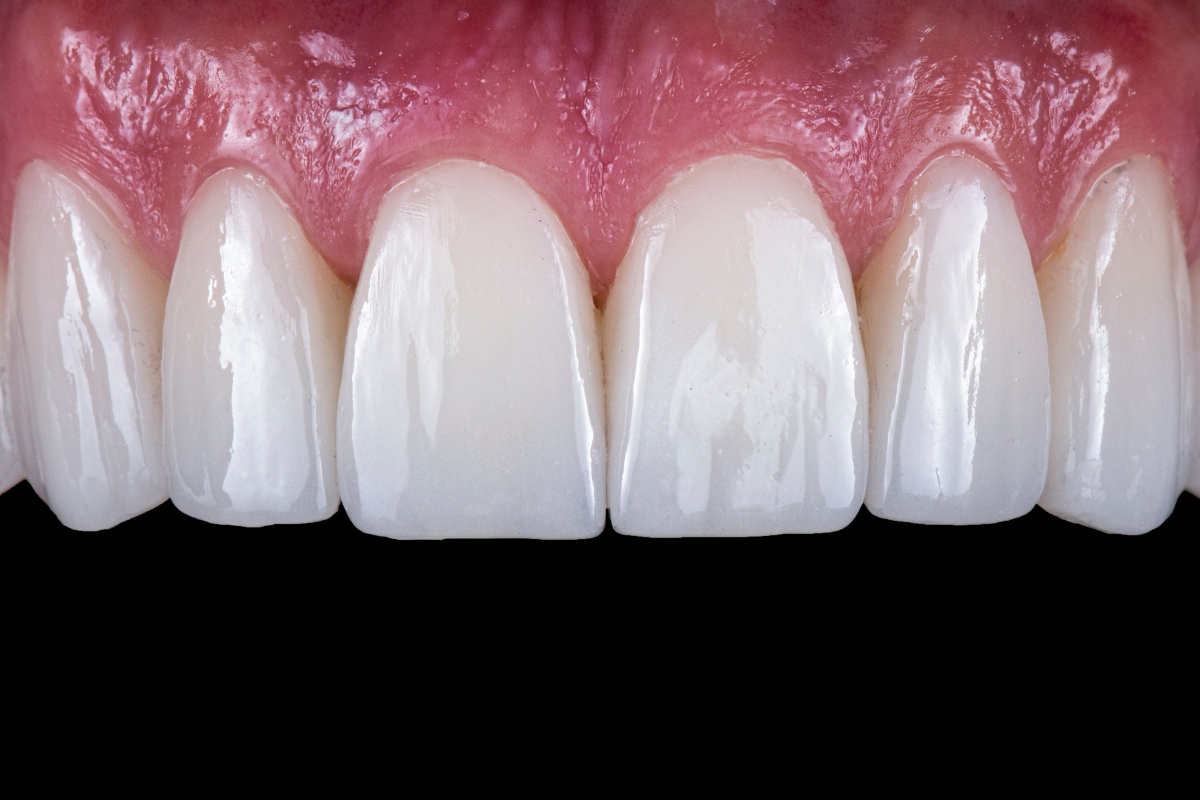
Understanding the Longevity: What Determines the 15+ Year Lifespan of Porcelain Veneers
Cosmetic dentistry decisions today are most surrounded by questions of longevity, rather than just appearance. The patients are concerned about durability, maintenance, and long-term value before they actually invest in a particular dental service. Porcelain veneers answer those concerns with proven strength and stability. These restorations do not serve as short-term cosmetic fixes.
Dentists design these for lasting performance under daily function. Several clinical and personal factors determine results. This blog explains materials, preparation, habits, and care. Readers will understand why outcomes remain predictable with proper planning.
Factors That Affect the Longevity of Porcelain Veneers
The Role of Quality of the Porcelain Material
Material quality is the basis for durable porcelain veneers. Dental porcelain is resistant to stains, fractures, and surface wear. The manufacturers engineer the high-grade porcelain for strength and color stability. Lower-grade alternatives chip more easily and discolor more quickly.
Dentists prefer premium ceramics that can resist chewing pressure. Material directly affects durability and natural appearance. Well-made porcelain veneers in Oklahoma City keep their brightness despite coffee, tea, and aging.
Precision in Tooth Preparation and Placement
Careful preparation protects natural tooth structure and veneer stability. Conservative reduction of enamel preserves strong bonding surfaces. The dentist relies on accurate measurements and controlled shaping. Accurate bonding techniques ensure secure, long-term attachment.
Alignment of the bite helps to correctly place and position the edges. Poor alignment tends to concentrate stress on the weakest points. When porcelain veneers are improperly placed, they are destined for an earlier failure due to stress and marginal breakdown.
Bite Forces and Everyday Functional Stress
Daily bite forces affect veneer longevity more than any patient can imagine. Grinding and clenching exert an extraordinary amount of pressure on restorations. Bite pressure that is uneven leads to accelerated cracks and debonding.
Dentists assess the patterns of one’s bite prior to the placement of veneers. Veneers subjected to continued stress would wear faster than those restorations that have a balanced occlusion. Night guards help preserve porcelain veneers for patients who have bruxism. Stress management preserves the veneers and the natural teeth.
Oral Hygiene and Daily Habits That Matter
Good hygiene practices consistently guard the veneer margins and gums around them. Brushing removes plaque, which eventually destroys the edges of the bonding. Flossing prevents inflammation of the gums around the veneer margins.
Healthy gums mean healthy, long-lasting veneers. Veneers’ life spans are drastically shortened by bad, destructive habits. Using teeth as tools results in chips and fractures. Chewing of ice or hard objects damages the porcelain veneers. Veneers are resistant to stains but not to thoughtless force.
Regular Dental Monitoring and Prevention
Routine dental visits extend veneer life by way of early detection. Dentists check margins for signs of wear or leakage. Small, easily correctable issues are addressed before failure happens.
Professional cleanings remove these buildups without compromising the surfaces. Exams also continue to monitor bite changes over time. Many veneers fail ‘silently’ when there is no professional oversight involved. Preventive care will protect investment and oral health together.
Lifestyle Factors Impacting Long-term Outcomes
Lifestyle choices impact veneer performance each year. Balanced diets minimize unnecessary enamel and veneer stress. Smoking increases the risk of staining around the edges of veneers.
Porcelain is more resistant to stains than natural enamel. Natural teeth are more affected by aging than porcelain veneers. Consistent habits create a relationship between restorations and surrounding teeth. Stability supports aesthetics and function for a long period.
When Porcelain Veneers Can Last Beyond 15 Years
Some patients continue with veneers for several decades without replacement. Successful cases share careful planning and disciplined maintenance. Dentists design restorations around function, not just appearance.
Patients follow hygiene and protection recommendations closely. Strong materials, proper placement, and monitoring work in unison. Porcelain veneers in Oklahoma City reward commitment with exceptional longevity.
The predictable results define the successful outcomes of porcelain veneers. Longevity will depend on planning, materials, habits, and professional care. The dentist carefully controls the technique and the selection of materials. The patients affect success every day with daily choices or during the follow-up visits.
The success of the veneer would never depend on luck alone. Proper care can turn porcelain veneers into durable restorations. Long-lasting value will eventually materialize if dentistry and patient responsibility work together seamlessly.
FAQs
What matters most for veneer longevity?
Material quality, precise placement, balanced bite, hygiene habits, and regular dental care determine long-term success.
Are porcelain veneers affected by acidic foods?
Porcelain resists acid damage. Acids still affect the surrounding enamel and gum health.
Can veneers chip at the edges?
Edge chipping occurs with improper bite contact or habits. Proper placement reduces risk.
Are veneers affected by temperature changes?
Porcelain handles temperature changes well. Extreme habits rarely cause damage without underlying stress factors.
How often should veneers be checked?
Dentists recommend veneer evaluations during regular dental exams, usually every six months.